ผ้าซิ่นพิมพ์ลายดอกทานตะวัน ผ้าซิ่นสีสันสดใสที่ได้แรงบันดาลใจจากดอกทานตะวัน เปล่งประกายพลังและความสดใส ผลิตจากผ้าฝ้ายโพลีเนื้อนุ่ม เหมาะสำหรับสวมใส่...
See Details


คู่มือผ้าโสร่งแบบดั้งเดิมแห่งชาติเอเชียตะวันออกเฉียงใต้
ข่าวอุตสาหกรรม-“ ผ้าโสร่งพื้นเมืองประจำชาติ ” ทั่วเอเชียตะวันออกเฉียงใต้เป็นที่เข้าใจกันดีที่สุดว่าเป็นตระกูลสิ่งทอแบบห่อตัว —โดยทั่วไปแล้วเสื้อผ้าโสร่งมักทำโดยใช้เทคนิคอันเป็นเอกลักษณ์ เช่น ผ้าบาติก , ikat และ เพลง , each tied to specific countries, ceremonies, and weaving communities. Indonesian ผ้าบาติก, fหรือ example, is formally recognized by UNESCO as intangible cultural heritage (inscribed in 2009). :contentReference[oaicite:0]{index=0}
สิ่งที่ถือเป็น “ผ้าโสร่ง” ในเอเชียตะวันออกเฉียงใต้
In Southeast Asia, “sarong” can mean either a tubular garment or a rectangular cloth wrapped and secured at the waist. The fabric is often decorated using batik or ikat methods, or woven as brocade-like luxury cloth (เพลง). :contentReference[oaicite:1]{index=1}
ขนาดที่ใช้งานได้จริงซึ่งคุณจะเห็นได้จริงในร้านค้า
ขนาดจะแตกต่างกันไปตามประเทศและสไตล์เสื้อผ้า แต่ข้อมูลอ้างอิงในชีวิตจริงเหล่านี้จะช่วยให้คุณซื้อได้อย่างถูกต้อง:
- พม่าลองยี: ยาวประมาณ 2 ม. กว้าง 80 ซม , commonly sewn into a cylinder. :contentReference[oaicite:2]{index=2}
- Sampot Chang Kben ของกัมพูชา (ผ้าห่อตัวคล้ายกางเกง) อ้างเป็นผ้าสี่เหลี่ยม ยาวประมาณ 3 เมตร กว้าง 1 เมตร . :contentReference[oaicite:3]{index=3}
- มาลองตอนใต้ของฟิลิปปินส์: อธิบายว่าเป็น ยาวประมาณ 4 หลา และสูงประมาณ 50 นิ้ว (often tubular). :contentReference[oaicite:4]{index=4}
สิ่งสำคัญ 3 ประการ “ผ้าโสร่งพื้นเมืองประจำชาติ”
หากคุณต้องการความมั่นใจสูงและมีพื้นฐานทางวัฒนธรรมที่เข้ากันกับ “ผ้าซิ่นแบบดั้งเดิมประจำชาติของเอเชียตะวันออกเฉียงใต้” นี่คือเทคนิค 3 ประการที่คุณจะพบบ่อยที่สุดในประเทศต่างๆ และในบริบทของการสวมใส่อย่างเป็นทางการ
| ผ้า/เทคนิค | มันทำได้อย่างไร | คิวภาพ | กรณีการใช้งานที่ดีที่สุด |
|---|---|---|---|
| ผ้าบาติก | การย้อมผ้าแบบต้านทานขี้ผึ้งบนผ้า สัญลักษณ์ที่มีลวดลายลึกซึ้ง | ขอบลวดลายคมชัด การทำซ้ำรูปแบบสัญลักษณ์ | สวมใส่ในพิธีประจำวัน อันเป็นสัญลักษณ์ในประเทศอินโดนีเซีย |
| อิกัต | ต้านทานการย้อมเส้นด้ายก่อนทอ | ขอบลวดลาย "เบลอ" หรือขนนกที่นุ่มนวล | ผ้าห่อตัวที่ทนทาน มรดกทอผ้าทั่วทั้งภูมิภาค |
| ซองเก็ต | ทอมือด้วยด้ายพุ่งเสริมโดยใช้ด้ายโลหะ | ลวดลายสีทอง/เงินแวววาว (เอฟเฟกต์ผ้า) | งานแต่งงาน โอกาสของรัฐ การแต่งกายที่เป็นทางการ (โลกมาเลย์) |
Indonesian batik is internationally recognized by UNESCO for its techniques, symbolism, and cultural role (inscribed in 2009). :contentReference[oaicite:5]{index=5} Ikat is widely described as a Southeast Asian-origin resist-dye method applied to yarns prior to weaving, producing its characteristic softened pattern boundaries. :contentReference[oaicite:6]{index=6} Songket is consistently defined as a handwoven textile with gold or silver threads, historically spread across the Malay world (including Indonesia, Malaysia, Brunei). :contentReference[oaicite:7]{index=7}
วิธีแยกแยะผ้าโสร่งแท้กับลายพิมพ์นักท่องเที่ยว
คุณไม่จำเป็นต้องเป็นผู้เชี่ยวชาญด้านสิ่งทอ ใช้การตรวจสอบที่มีสัญญาณสูงสองสามข้อที่เชื่อมโยงโดยตรงกับวิธีการผลิตผ้าเหล่านี้
ผ้าบาติก: มองหากระบวนการ “ลายนิ้วมือ” ไม่ใช่แค่ลวดลาย
- If a piece is marketed as heritage batik but the pattern looks perfectly uniform on both sides with no dye-depth variation, it may be a surface print rather than a resist-dyed cloth (batik is defined by technique and cultural practice, not just visual style). :contentReference[oaicite:8]{index=8}
- Ask for the technique: sellers who can describe wax-resist steps and motif meaning usually deal in higher-integrity work, consistent with UNESCO’s framing of batik as technique symbolism culture. :contentReference[oaicite:9]{index=9}
หมายเหตุ: “ภาพเบลอ” เป็นคุณลักษณะ ไม่ใช่ข้อบกพร่อง
Ikat’s hallmark is that yarns are resist-dyed before weaving, so the pattern alignment naturally creates slightly feathered edges; a perfectly sharp, pixel-like ikat motif can indicate digital printing. :contentReference[oaicite:10]{index=10}
Songket: ยืนยันการทอด้ายโลหะ ไม่ใช่หมึกโลหะ
Songket is described as a handwoven fabric where metallic threads are inserted as supplementary weft, producing a true raised shimmer. If the shine disappears when you tilt it and the surface feels flat like ink, treat “เพลง” as a marketing label rather than a weaving structure. :contentReference[oaicite:11]{index=11}
ตัวอย่างเฉพาะประเทศที่สอดคล้องกับการใช้ “ประเพณีประจำชาติ”
เอเชียตะวันออกเฉียงใต้มีความหลากหลาย แต่การจับคู่บางอย่างจะมั่นคงเป็นพิเศษหากคุณต้องการตัวอย่าง "ผ้าโสร่งพื้นเมืองประจำชาติ" สำหรับการเดินทาง การให้ของขวัญ หรือเสื้อผ้าทางวัฒนธรรม
- อินโดนีเซีย: Batik is a nationally emblematic textile tradition recognized by UNESCO (2009). :contentReference[oaicite:12]{index=12}
- เมียนมาร์: ลองยี (ผ้าห่อตัวคล้ายโสร่ง) สวมใส่กันอย่างแพร่หลาย ขนาดอ้างอิงทั่วไปคือ ~2 ม. × 80 ซม . :contentReference[oaicite:13]{index=13}
- โลกมาเลย์ (มาเลเซีย / บรูไน / บางส่วนของอินโดนีเซีย): Songket is a signature ceremonial fabric woven with gold or silver threads. :contentReference[oaicite:14]{index=14}
- กัมพูชา: ระบบผ้าพาดแบบดั้งเดิมประกอบด้วยรูปแบบซัมพอต ตัวอย่างเอกสารหนึ่งคือผ้าสี่เหลี่ยม ยาวประมาณ 3 ม. กว้าง 1 ม for sampot chang kben. :contentReference[oaicite:15]{index=15}
- ฟิลิปปินส์ตอนใต้: Malong เป็นเสื้อผ้าแบบท่อ ขนาดอ้างอิงคือ ยาวประมาณ 4 หลาและสูงประมาณ 50 นิ้ว . :contentReference[oaicite:16]{index=16}
รายการตรวจสอบการซื้อ: เลือกผ้าให้เหมาะกับความร้อน พิธีการ และงบประมาณ
ใช้สิ่งนี้เป็นเครื่องมือในการตัดสินใจในทางปฏิบัติเมื่อซื้อสินค้าในตลาดหรือรายการออนไลน์
หากคุณต้องการโสร่งทุกวัน
- เลือกผ้าฝ้ายระบายอากาศหรือผ้าฝ้ายผสม จัดลำดับความสำคัญของความกว้าง/ความยาวที่สะดวกสบายใกล้เคียงกับบรรทัดฐานของภูมิภาค (เช่น การอ้างอิง longyi โดยรอบ 2 ม. × 80 ซม ). :contentReference[oaicite:17]{index=17}
- For ikat, accept minor pattern “softness” as normal for yarn-resist weaving. :contentReference[oaicite:18]{index=18}
หากต้องการผ้าพระราชพิธี/พิธีการ
- เลือก เพลง when you want visible prestige—its defining feature is supplementary weft metallic threads (gold/silver). :contentReference[oaicite:19]{index=19}
- เลือก culturally grounded ผ้าบาติก when motif meaning matters; UNESCO specifically frames batik as technique symbolism embedded in life events. :contentReference[oaicite:20]{index=20}
คำถามคุณภาพด่วนที่จะถามผู้ขาย
- Is it wax-resist dyed (batik), yarn-resist woven (ikat), or metallic-thread woven (songket)? :contentReference[oaicite:21]{index=21}
- ขนาดที่แน่นอนเป็นซม. หรือเมตรคือเท่าไร (อย่าพึ่ง "ขนาดเดียว") ใช้อ้างอิงเช่น ~2 ม. × 80 ซม for longyi-type wraps. :contentReference[oaicite:22]{index=22}
- What fiber is it (cotton vs silk)? Songket is commonly described as silk or cotton with metallic threads. :contentReference[oaicite:23]{index=23}
การดูแลรักษาและการเก็บรักษา: เก็บผ้าโสร่งแบบดั้งเดิมไว้ใช้ได้นานหลายปี
Traditional sarong fabric longevity depends on matching care to construction—especially for dyed surfaces (batik), yarn-dyed weaves (ikat), and metallic-thread structures (songket). :contentReference[oaicite:24]{index=24}
- For batik: avoid harsh detergents and prolonged direct sun; batik is defined by hand-applied resist and dyed cloth culture, so treat it as a dyed textile, not a “printed towel.” :contentReference[oaicite:25]{index=25}
- For ikat: hand-washing reduces abrasion on yarn-dyed patterning created before weaving. :contentReference[oaicite:26]{index=26}
- For songket: store folded with soft tissue or cloth layers to reduce snag risk on metallic threads inserted during weaving. :contentReference[oaicite:27]{index=27}
ประเด็นสำคัญ: ตัวเลือก “ผ้าซิ่นพื้นเมืองประจำชาติ” ที่ดีที่สุด
หากคุณต้องการคำตอบที่มีความน่าเชื่อถือสูง: เลือกผ้าบาติกชาวอินโดนีเซียสำหรับการอ้างอิงผ้าโสร่งแบบดั้งเดิมประจำชาติที่ได้รับการยอมรับอย่างกว้างขวางที่สุด (จารึกโดย UNESCO ในปี 2009) และเลือก เพลง or ikat when your goal is respectively formal prestige or heritage weaving identity across Southeast Asia. :contentReference[oaicite:28]{index=28}
ที่เกี่ยวข้อง ผลิตภัณฑ์
-
-
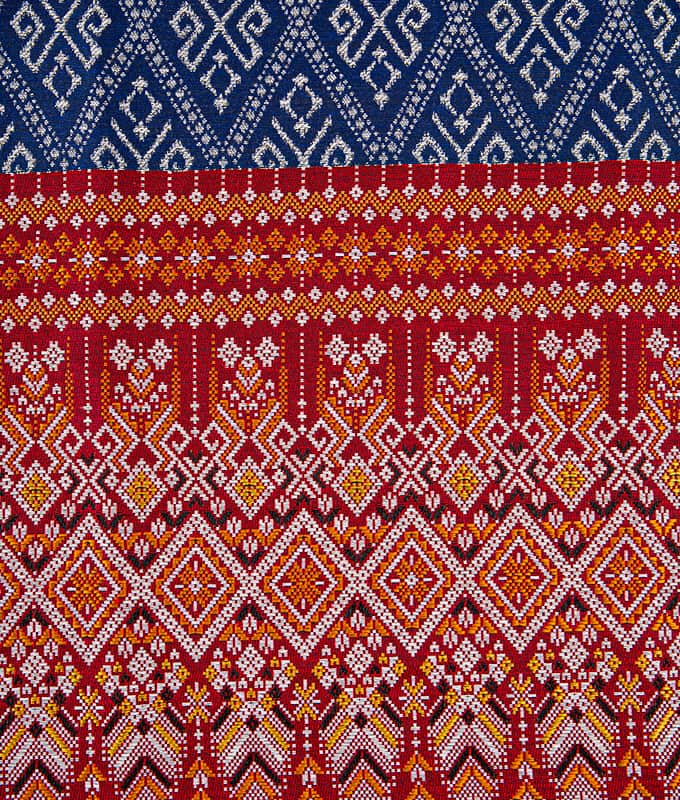
ผ้าคอตตอนโพลีเย็บมือสำหรับโสร่ง เป็นการผสมผสานอย่างประณีตระหว่างสไตล์และการใช้งานจริง รังสรรค์มาเพื่อให้ชายกระโปรงมีเนื้อสัมผัสที่เรียบลื่นและมีโคร...
See Details -
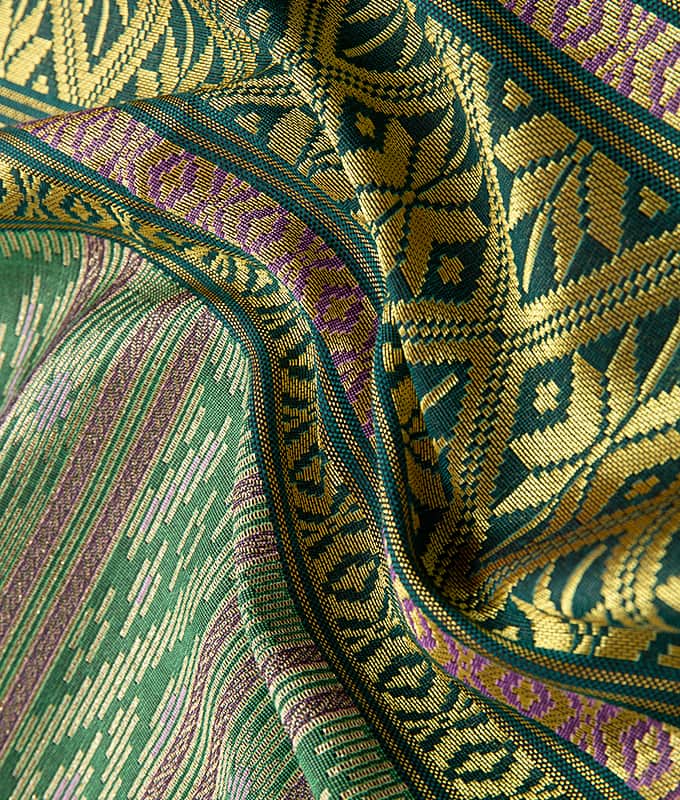
ผ้าโพลีคอตตอนด้ายสีทองลายแนวตั้งสำหรับโสร่งผสมผสานความทนทานและความสบายเข้ากับสัมผัสแห่งความหรูหรา ผ้านี้โดดเด่นด้วยแถบสีทองเรียงตามแนวตั้ง เหมาะสำห...
See Details -
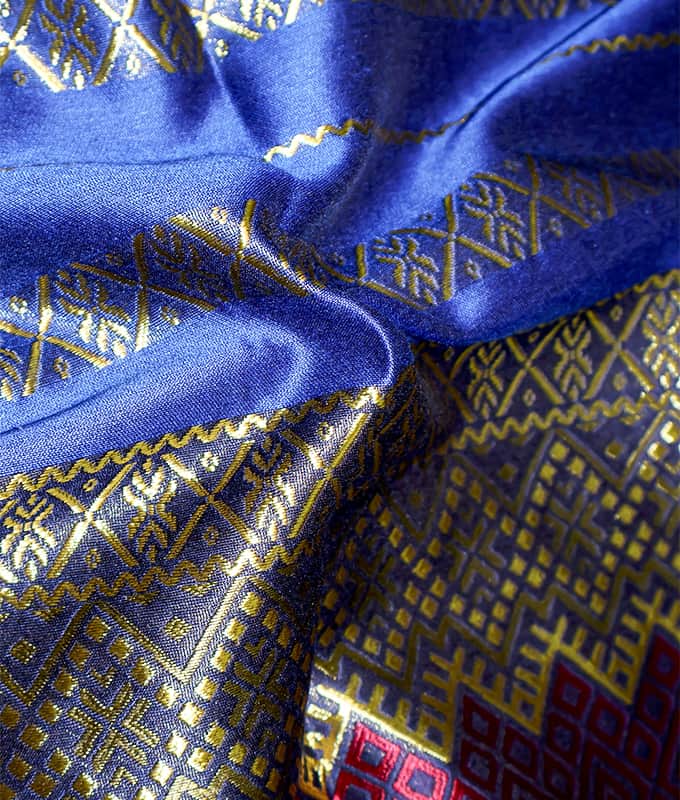
ผ้าซิ่นโพลีเอสเตอร์ 100% ลายแจ็คการ์ดสีสันสดใสในเอเชียตะวันออกเฉียงใต้ – ทนทาน สีสันสดใส และดูแลรักษาง่าย ออกแบบมาเพื่อนำทั้งความสวยงามและการใช้งาน...
See Details -
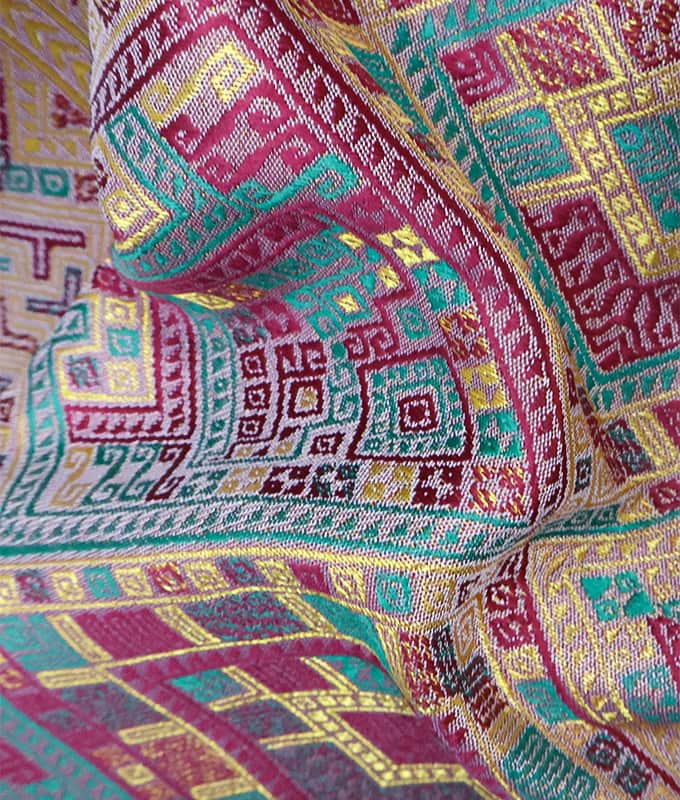
ผ้าแจ็คการ์ดโพลีเอสเตอร์คล้ายผ้าไหมสำหรับผ้าโสร่งไทย — ผสมผสานความสง่างามของเนื้อผ้าคล้ายผ้าไหมเข้ากับงานฝีมือแจ็คการ์ดที่มีความแม่นยำสูง ออกแบบมาเ...
See Details -
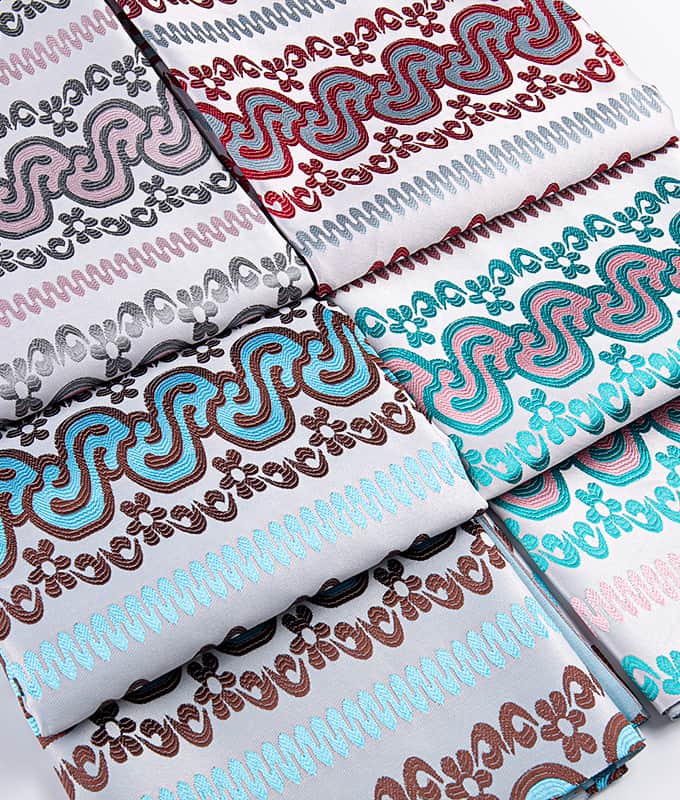
ผ้า Jacquard โพลีเอสเตอร์พื้นผิว 3 มิติรูปตัว S สำหรับผ้าซิ่นผสมผสานความสง่างามเข้ากับความทนทาน สร้างขึ้นด้วยเทคโนโลยีแจ็คการ์ดอิเล็กทรอนิกส์ขั้นสู...
See Details

